
Fusarium wilt is one of the most persistent challenges in global tomato production. Caused by the soilborne pathogen Fusarium oxysporum, the disease is especially difficult to manage in warm, humid growing regions such as Florida. The pathogen produces spores that can remain in soil for years, making eradication difficult once a site is infected.
After entering the plant, F. oxysporum colonizes the vascular system, where it can interfere with water transport. Infected plants may show wilting, chlorosis, reduced vigor, stunted growth, and, in severe cases, plant death. Yield losses may reach as high as 80%, costing farmers millions of dollars annually. As such, researchers and growers continue to explore preventative and biological management strategies.
Testing a Microbial Formulation for Fusarium Wilt Management
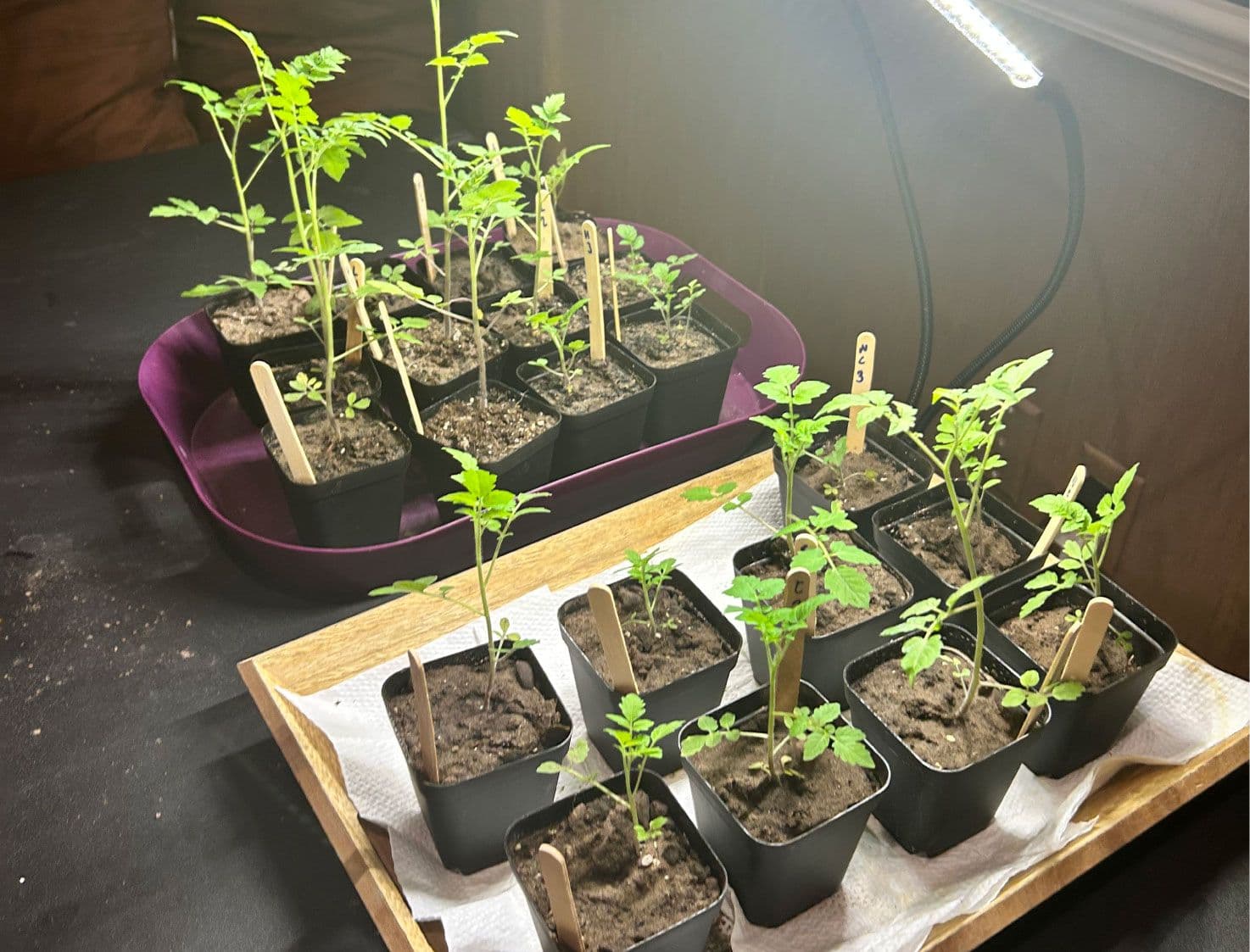
In this study, student researcher Sahil Patel evaluated whether microbial competition could help suppress F. oxysporum while supporting tomato plant health. The formulation was designed to promote beneficial microbial activity in the soil and included:
- Five strains of Trichoderma: Fungal biocontrol agents that compete with pathogens, inhibit fungal growth, and enhance plant immunity
- Five strains of arbuscular mycorrhizal fungi (AMF): Beneficial fungi associated with improved nutrient uptake, root health, and soil microbial diversity
- Bacillus subtilis: A beneficial bacterium known for its pathogen-inhibiting properties and ability to activate plant defense mechanisms
- Soil-biochar mix: A soil amendment used to improve soil structure, support moisture retention, and foster beneficial microbial communities
The formulation was tested at low, medium, and high concentrations and compared to an industry-standard fungicide (Thymol 2g/472/ml), a control, and a negative control (untreated pathogen-only group).
To help sustain microbial activity over time, sodium-alginate slow-release capsules were added after 21 days. These capsules acted as a biodegradable delivery system for beneficial microbes, helping maintain microbial presence in the soil during the experiment. The alginate capsules were used to support the bioformulation's potential to suppress F. oxysporum and improve tomato plant resilience.
Measuring Plant Health and Photosynthetic Response with the LI-600PF
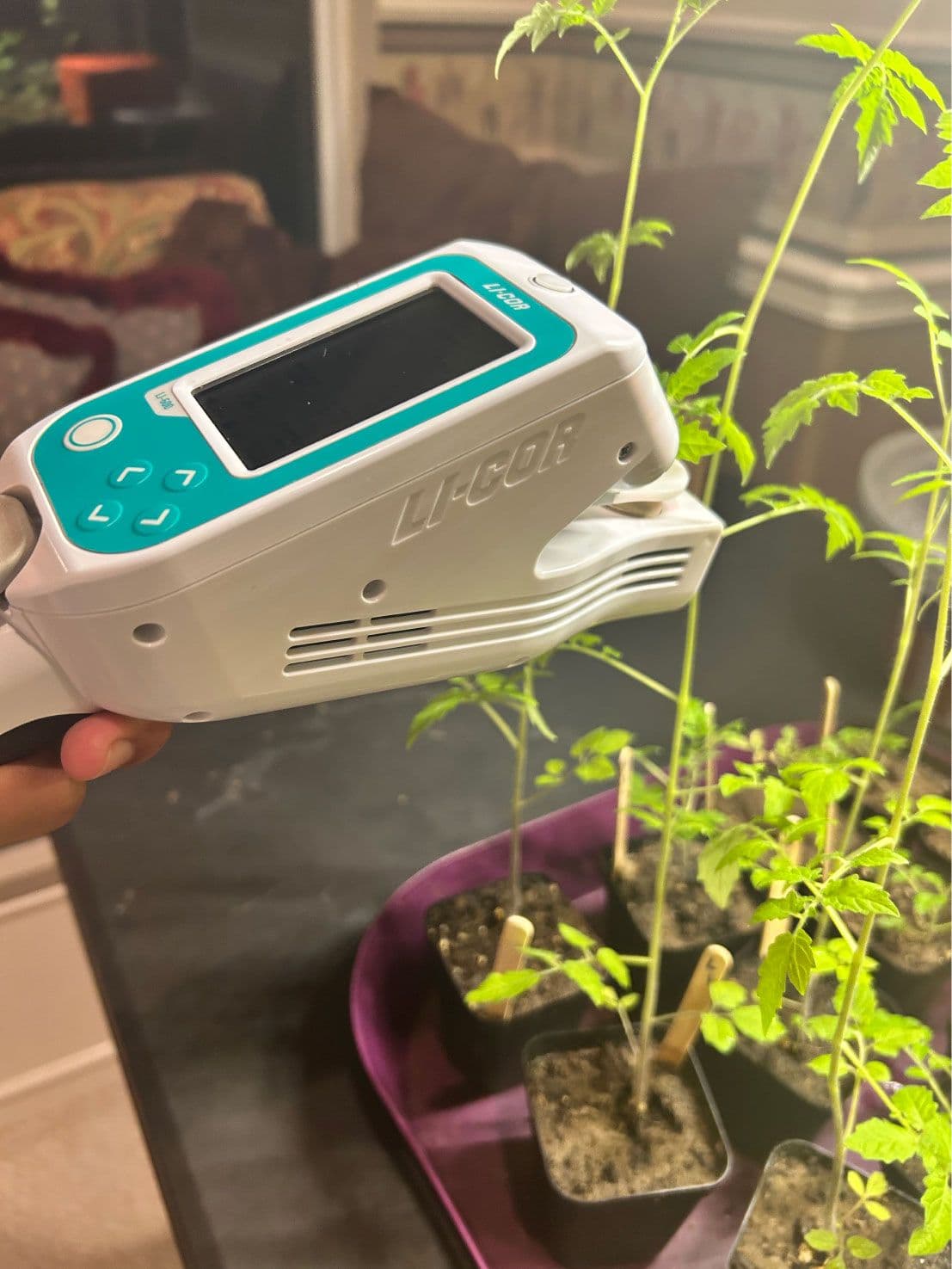
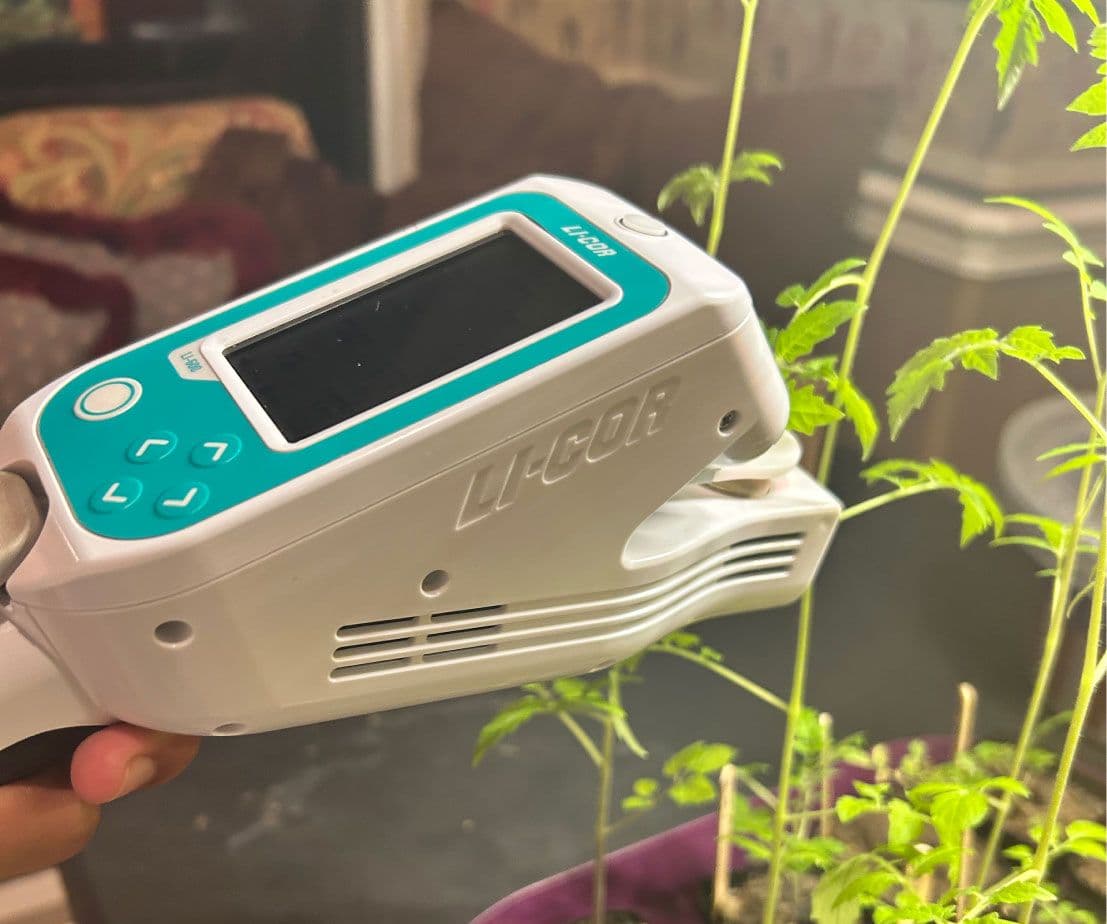
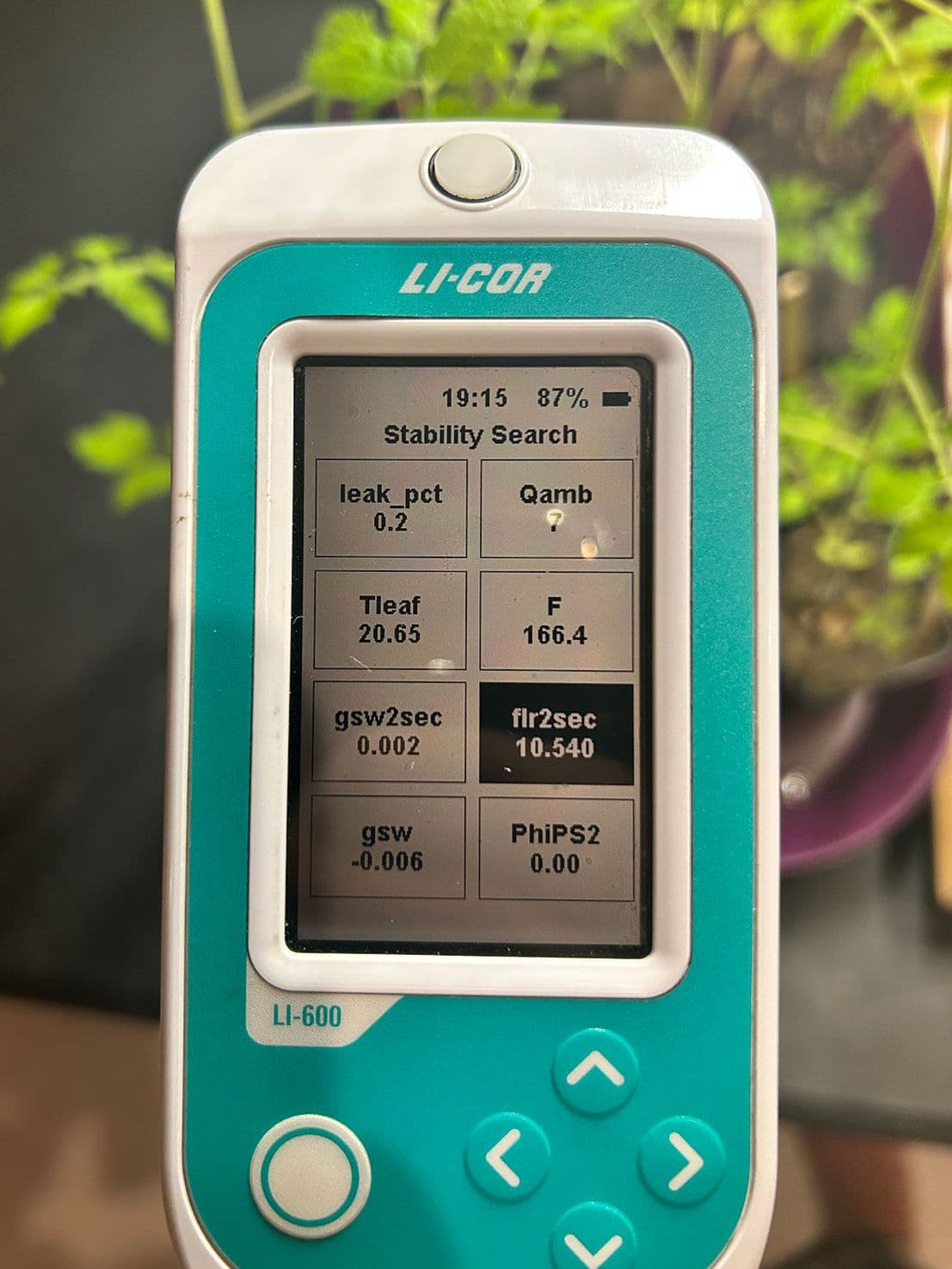
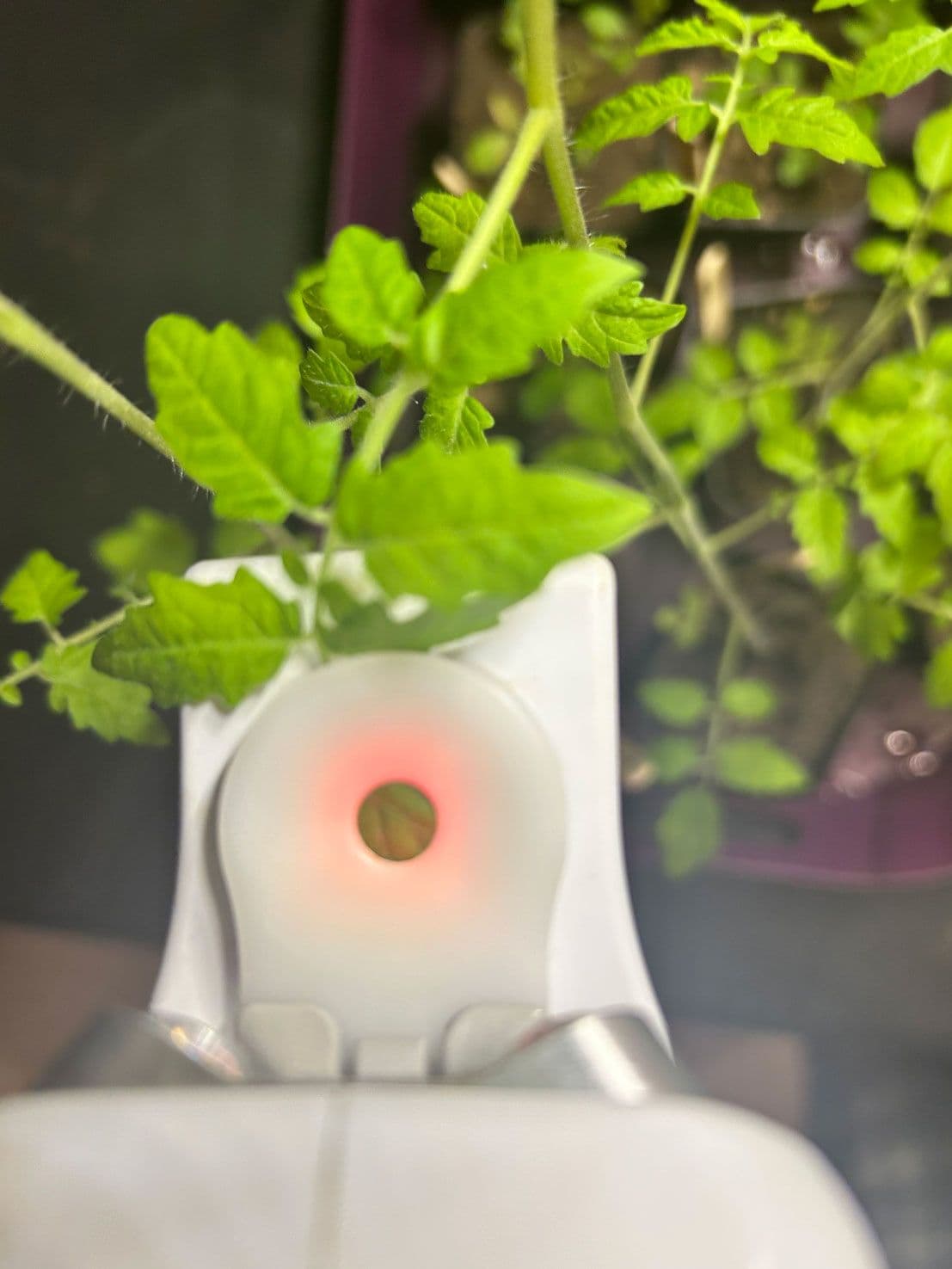
To evaluate plant response, Patel paired visual and microbial observations with leaf-level physiological measurements collected using the LI-600PF Porometer/Fluorometer. The LI-600PF measured stomatal conductance and chlorophyll fluorescence, helping connect visible plant symptoms with underlying physiological responses to disease pressure and treatment effects.
The LI-600PF was used alongside a SPAD meter to evaluate plant health and stress response. Together, these instruments helped Patel monitor stomatal conductance, chlorophyll fluorescence, chlorophyll content, and photosynthetic performance—supporting a more complete assessment of plant health and stress tolerance throughout the study.
Key Findings
Key findings from this study included:
- Chlorophyll content was 21.2% higher in treated plants, and 29.5% higher in plants treated with the bioformulation compared to control plots. This suggests reduced chlorosis and better nitrogen uptake, both of which are important indicators of plant health.
- Quantum yield of Photosystem II (ΦPSII) was 3% higher in treated plants, indicating improved photosynthetic efficiency and resilience under pathogen pressure.
- Stomatal conductance remained stable, and the biological formulation offered an ideal environment, suggesting that water regulation was not negatively impacted by the biological formulation.
The LI-600PF and SPAD meter played a key role in evaluating treatment effects, offering insight into how Fusarium wilt and biological control measures influenced plant physiology.
Analyzing Soil Microbes & Pathogen Suppression
To analyze microbial interactions, potato dextrose agar (PDA) plates were used to culture soil microbes from treated and untreated plants. Results demonstrated:
- Significant overgrowth of beneficial fungi in treated samples, suggesting competitive exclusion of F. oxysporum.
- More than double the number of microbial colonies in plants treated with the bioformulation, indicating enhanced microbial diversity and improved soil health.
- Reduced fungal growth in Thymol-treated plants, confirming its antifungal properties but also suggesting potential limitations in promoting long-term microbial resilience.
Tracking Disease Progression with AUDPC
To quantify disease severity over time, Patel calculated the Area Under the Disease Progress Curve (AUDPC) using a normalized composite graph based on weekly disease ratings. This approach provides a standardized measurement of cumulative disease progression across treatments.
Key Findings
- The low-concentration bioformulation reduced AUDPC values by 32%, indicating lower overall disease severity.
- Higher concentrations showed a diminishing end behavior, suggesting that excessive amounts of microbes may not further improve disease suppression.
- Thymol-treated plants showed initial pathogen suppression, but the AUDPC values indicated a lack of long-term resilience, reinforcing the advantages of biological control.
By normalizing disease progression data across treatments, the composite graph allowed for more accurate comparisons and helped distinguish treatment effects from environmental variation.
Future Implications for Sustainable Plant Disease Management
The findings of this study highlight the potential of biological formulations as cost-effective and sustainable alternatives to chemical treatments. Since no current fungicide can fully eliminate Fusarium wilt from affected soil, integrating beneficial fungi, bacteria, and biochar into soil management may offer a more promising path toward supporting soil fertility and plant resilience.
To further develop this approach, future research should explore:
- Long-term microbial dynamics beyond the 21-day replenishment period and 42-day experiment.
- Potential synergistic effects between Thymol and biological formulations as a combined disease-management strategy
- Economic feasibility of large-scale applications in commercial tomato farming.
Ultimately, these results suggest that microbial formulations may help advance more sustainable approaches to Fusarium wilt management, particularly if future studies confirm their effectiveness across longer time periods, field conditions, and commercial production systems.
Learn more about the LI-600
LEARN MORE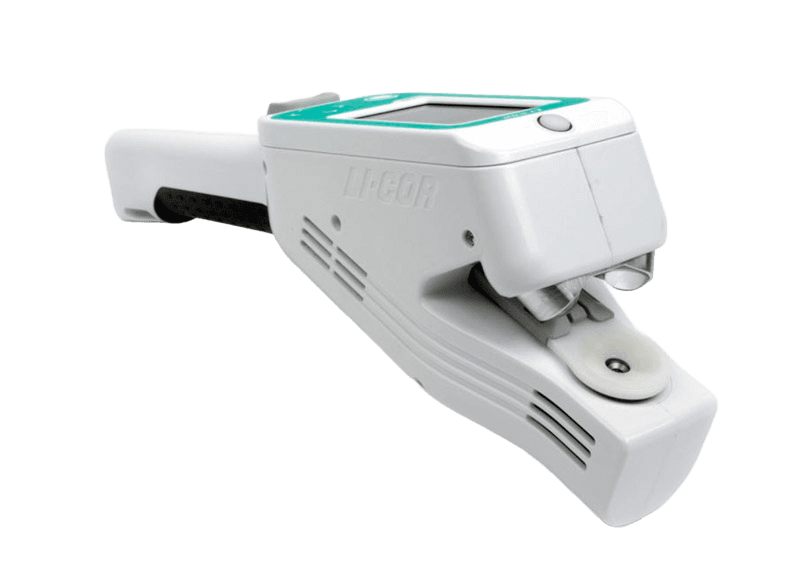
Author
Sahil Patel is a student researcher at Steinbrenner High School in Lutz, Florida with an interest in environmental science and plant and animal biology. He used the LI-600PF Porometer/Fluorometer to evaluate physiological responses in tomato plants for a regional science and engineering fair. Through his studies, he hopes to continue exploring real-world scientific challenges and developing projects with meaningful impact on the environment.
NEVER MISS OUT ANOTHER POST
SUBSCRIBE TO OUR NEWSLETTERJOIN OUR COMMUNITY TODAY!